Decreto Supremo 160 is a rule made by the government of Chile. And it refers to two different official laws. Both were created by different ministries.
These rules set clear standards for how certain industries work. And they help control risks and keep people safe. The first one was issued in 2009 by the Ministry of Economy.
It focuses on fuel systems. It includes rules for liquid fuels, safety, and handling dangerous materials.
The second one was issued in 2012 by the Ministry of Health under Law 20.606. It focuses on food. It sets rules for food labels and ads. It is the basis of Chile’s warning labels on food packages.
Also, both have the same name but cover different areas. So it is important to know which one applies to your case.
Decreto Supremo 160 in the Fuel and Industrial Sector
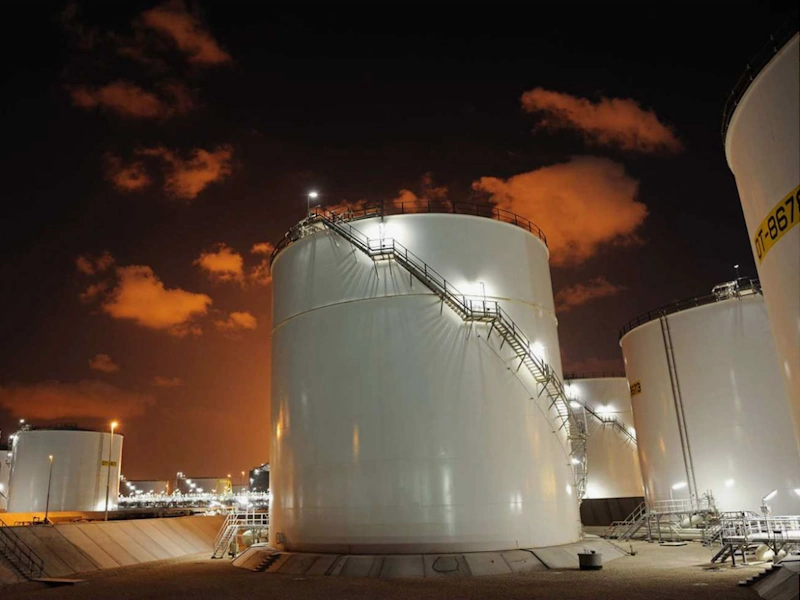
This version of Decreto Supremo 160 applies to fuel and industrial work in Chile. It controls how fuels and dangerous materials are stored, moved, and used. The goal is to prevent accidents caused by mistakes or system failures.
It applies to:
- Fuel storage sites
- Transport vehicles
- Distribution companies
It sets safety rules that must be followed before and during operations.
Decreto Supremo 160 in the Food Labeling Sector
This version works under Law 20.606. It focuses on food labeling.
Also, it explains when packaged foods must show warning labels. And if food has high levels of sugar, salt, fat, or calories, then it must carry a black label on the front.
The labels include:
- High in Sugar
- High in Sodium
- High in Calories
- High in Saturated Fat
Companies must test their products in labs. Also, they must follow strict limits set by the Ministry of Health.
Purpose and Core Objectives of Decreto Supremo 160
The main goal of Decreto Supremo 160 in Chile is to stop risks before they happen. And it focuses on prevention and not fixing problems later.
So in the industrial sector, it prevents fires, leaks, and harmful exposure. Also, it puts responsibility on companies to follow safe design and daily operations.
In the food sector, it makes sure companies follow health rules. And if they do not, they must clearly show warning labels. And this makes companies more responsible.
Both versions follow the same idea. Make systems safer, so harm is less likely.
Other Objectives
- Promote clear and fair business practices
- Support safe and sustainable use of resources
- Balance economic growth with public safety
- Encourage investment with strong safety rules
- Protect communities from risk
Provisions of Decreto Supremo 160
The rules are different for each sector, but follow the same system of responsibility.
Industrial Sector Rules
- Set strong safety limits
- Ensure safe fuel storage and transport
- Protect the environment from leaks and spills
- Support worker safety in risky jobs
Food Labeling Rules
- Add black warning labels if limits are exceeded
- Restrict ads for unhealthy food, especially for children
- Require companies to share clear information
- Encourage better products by setting clear standards
These rules aim to keep processes simple but effective. Also, they make sure companies follow the law.
How Decreto Supremo 160 Works in Practice
Fuel and Industrial Compliance Requirements
Companies in the industrial sector must follow strict rules before and during operations:
- Tank specs and installation: Tanks must meet approved safety standards and use strong materials
- Maintenance: Regular maintenance is required
- Leak prevention: Continuous monitoring must be in place
- Filling procedures: Only approved methods are allowed. Workers follow strict protocols
- Emergency plans: Sites must have active response plans
- Vehicles and routes: Transport vehicles must meet technical standards. Routes are pre-planned
- Loading and unloading: Protective gear is required, and procedures must be documented
- Site visits and certification: Inspectors check sites regularly. Certification is renewed on schedule
- Training programs: Workers complete safety training and refresh it regularly
Food Labeling Compliance Requirements
Food companies under DS 160 must:
- Test products and check nutrients against government limits
- Place black octagonal warning labels correctly on packaging
- Update all packaging before selling
- Restrict ads. So no school sales or marketing to children
- Keep records if products are reformulated to avoid labels
- Follow phased schedules as nutrient limits change over time
Accountability and Enforcement of Decreto Supremo 160
Decreto Supremo 160 is not optional. It sets clear legal responsibility for everyone involved.
Who is accountable:
- Facility owners, operators, and contractors in the industrial sector
- Food makers, distributors, and delivery providers in the food sector
- Maintenance and inspection teams in both sectors
Breaking the rules is seen as negligence, not a mistake. And companies must understand the real cost of risk and protect communities.
How it is enforced:
- Government agencies issue and monitor rules
- Training for officials to explain responsibilities
- Regular audits to find gaps
- Public awareness for employers and workers
- Ongoing discussions between authorities, companies, and communities about duties and rights
Challenges and Criticisms of Decreto Supremo 160
No law is free from criticism. Decreto Supremo 160 has faced concerns from several sides.
Operational Complexity
Many businesses find the rules too complicated. Small companies mostly struggle more because they have fewer resources to follow them.
Implementation Timeline
Some critics say the rollout was too fast. And this caused uneven application across sectors and fairness concerns.
Industry Opposition
Fuel companies and food manufacturers initially resisted the decree. And they worried it would disrupt operations and hurt competition.
Economic Impact
Some operators and food makers raised concerns about higher costs and trade issues, especially for exports.
Customer Autonomy
Some argue that mandatory labels limit choice. Supporters say clear labeling actually helps people make informed decisions.
Nutrient Oversimplification
Warning labels focus on single nutrients. And this does not always show the full nutritional value. A product may be labeled “High in Calories” but still offer useful nutrients.
Benefits of Decreto Supremo 160
When followed properly, Decreto Supremo 160 brings clear benefits for industry and consumers.
Industrial and Environmental Benefits
- Fewer accidents and workplace injuries. It keeps workers safe
- Less environmental damage and lower cleanup costs
- Stronger trust from customers and communities
- Better continuity through proactive risk management
- Peace of mind for workers and nearby residents
- Fewer disasters. It reduces pressure on emergency services
Food and Consumer Benefits
- Encourages healthier food products through reformulation
- Gives consumers clear information
- Also makes whole foods like fruits and vegetables more appealing
- Improves health equity as labels are easy to understand for all literacy levels
- Reduces diet-related diseases. As it eases pressure on public health systems
Conclusion
Decreto Supremo 160 works by preventing harm before it happens. Whether for fuel systems or processed foods, it relies on strong rules, oversight, and accountability.
For businesses, following the rules supports growth. The cost of compliance is lower than the cost of accidents or legal issues. And for consumers, it provides protection through safer environments and clear information.
For all companies, regulators, and communities, DS 160 ensures systems that put safety first. It is a model for long-term and preventive regulation.