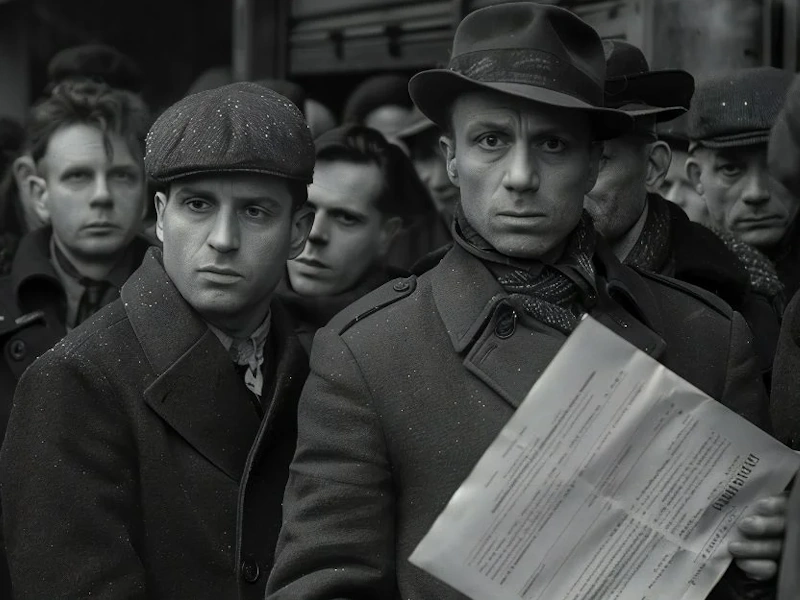
Fascisterne is a term used to describe followers of Fascism. Also, it is a powerful and controversial ideology that has shaped history in significant ways.
As it is not just a topic from the past, its ideas can still influence politics and society today.
Moreover, Fascism first became prominent in Europe after World War I, during a time of crisis, economic struggle, and social unrest.
Also, it promoted strong national identity, strict government control, and loyalty to a central authority.
Some features of fascisterne include extreme nationalism, support for military strength, and limits on free speech or opposition.
These elements created systems where power was concentrated, and individual freedoms were reduced.
Understanding fascisterne means looking at how it developed over time and why people supported it.
And by studying its history, we can better understand its impact. And also recognize its influence in the modern world.
History of Fascism in Europe
The rise of Fascism in Europe began after World War I. And many countries were left in crisis, facing economic problems, unemployment, and political instability.
This created the perfect conditions for extreme ideas to grow.
In Italy, anger over the post-war situation helped Benito Mussolini rise to power. And he promised strong leadership and national pride, which attracted many people who were unhappy with the system.
And at the same time, Germany was struggling after the Treaty of Versailles. Many people felt humiliated and frustrated. Also, Adolf Hitler used this anger to gain support, which promoted extreme nationalism and blamed certain groups for the country’s problems.
Moreover, Fascism spread across Europe during the 1920s and 1930s. With fear of economic collapse and political change, many people supported strong and authoritarian leaders. Hoping they would restore order and stability.
Important Figures and Their Influence on Fascist Ideology
Benito Mussolini was one of the main figures behind the rise of Fascism. He promoted strong leadership and intense nationalism, which became the foundation of fascism in Italy. Also, his personality and promises of change attracted many supporters.
Whereas Adolf Hitler later expanded these ideas in Germany. He combined nationalism with racial beliefs. which gained massive support and created a system known for extreme control and violence.
And another important figure was Giovanni Gentile. He provided the intellectual base for fascism.
Also, he believed the state should come before individual rights. which supported the idea of total government control.
Moreover, these leaders shaped not only their own countries but also global views on power and authority.
And their influence remains a strong reminder of how dangerous unchecked power can become.
The Role of Nationalism, Racism, and Totalitarianism in Fascism
In Fascism, nationalism plays a central role. It creates a strong sense of unity and loyalty to the nation.
However, this can also lead to an “us vs them” mindset where outsiders are seen as threats.
And racism is mostly linked to this idea. Some groups are considered superior. while others are treated unfairly.
And this thinking has been used to justify discrimination and harmful policies against certain communities.
Moreover, totalitarianism is another important part of fascism. As it means the government has complete control over public and private life.
And people are expected to follow rules without question, and opposing views are mostly suppressed through force or propaganda.
And together these elements create a system which is powerful but dangerous. Also, it can unite people under one identity. But it also limits freedom, diversity, and independent thinking.
Impact and Legacy of Fascist Regimes
Fascist regimes based on Fascism had a deep and lasting impact on the world. And their rise led to major conflicts, including World War II, which changed countries and societies forever. Moreover, the effects of this period can still be felt today.
Economically, these regimes placed strong control in the hands of the state. And industries were managed to serve national goals. Sometimes, at the cost of individual rights and economic freedom.
Culturally fascist systems promoted one national identity, while suppressing others. This created division and long-term tension between different groups and communities.
And one important outcome of this period was the growth of global human rights efforts. After witnessing the damage caused by such regimes.
Many countries worked together to promote peace and equality. And also the protection of individual rights.
Today, discussions about nationalism and strong leadership reflect lessons from the past. And the history of fascist regimes reminds us of the risks of unchecked power. And also the importance of protecting freedom and diversity.
Conclusion
The history of Fascism shows how dangerous extreme ideas can be when they are not challenged. And Fascist systems, with their focus on control and suppression, caused deep harm across many societies.
Moreover, one of the lessons is the importance of protecting democratic values and individual rights.
The rise of nationalism, racism, and total control in fascist regimes shows how harmful division and hate can become.
And by understanding these patterns, people can better recognize warning signs in the present. And promoting equality, respect, and open discussion prevents such ideologies from growing again.
Also, remembering this history guides future generations toward a fairer and more peaceful world. where freedom and human dignity are protected.