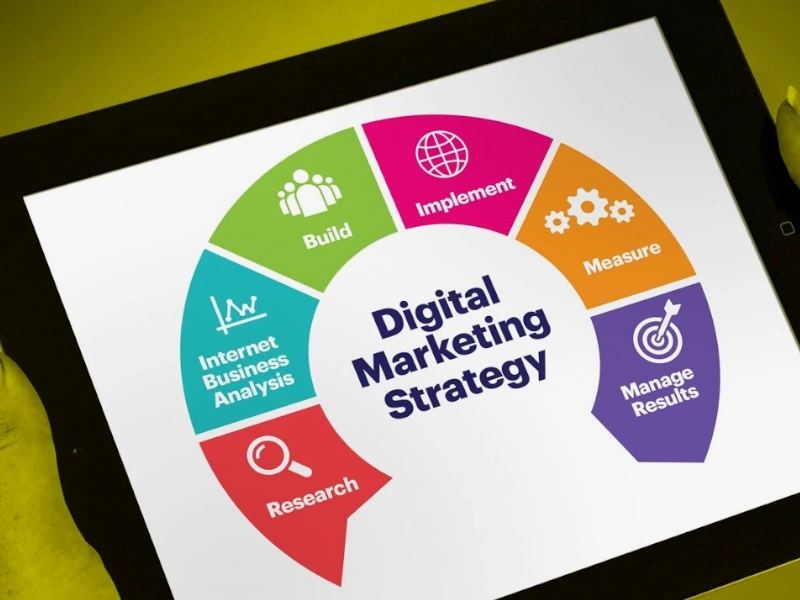
Digital marketing in 2026 demands a strategic fusion of visibility and voice. While SEO continues to dominate search-driven customer acquisition, podcast advertising has emerged as a critical channel for building authentic audience connections. Brands that isolate these tactics risk fragmented messaging and missed opportunities. The most effective approach lies in understanding how optimized content and audio storytelling work in tandem, creating touchpoints that guide consumers from initial discovery through conversion. The question becomes: how exactly do these channels amplify each other’s impact?
Why Integrated Digital Marketing Strategies Are Essential for Growth in 2026
As consumer behavior fragments across an expanding array of digital channels, businesses that rely on isolated marketing tactics increasingly struggle to maintain competitive relevance. Integrated digital marketing strategies synthesize multiple touchpoints into cohesive customer journeys, amplifying reach while reinforcing brand messaging through strategic redundancy.
Research indicates that campaigns leveraging three or more coordinated channels achieve 287% higher purchase rates than single-channel approaches. This performance gap widens as algorithm changes and privacy regulations diminish the effectiveness of standalone tactics. Successful integration requires data infrastructure that tracks cross-channel attribution, enabling marketers to identify synergies between platforms.
The combination of SEO and podcast advertising exemplifies strategic integration: organic search captures high-intent audiences, while podcast placements build brand awareness among engaged listeners, creating complementary pathways that accelerate conversion cycles and improve customer acquisition economics.
The Evolving Role of Search Visibility in Customer Acquisition and Brand Awareness
Search visibility has undergone a fundamental transformation from keyword-matching exercise to sophisticated demand-capture system that spans traditional search engines, AI-powered answer engines, and platform-specific discovery features.
Modern consumers initiate purchase journeys through voice queries, visual searches, and conversational AI interactions that require entirely different optimization approaches than conventional SEO practices.
Brands must now optimize for zero-click searches, featured snippets, and AI-generated summaries that intercept users before they reach traditional websites. Search visibility directly correlates with customer acquisition efficiency, as appearing in relevant search contexts establishes immediate credibility and captures high-intent traffic.
Organizations that dominate search across multiple formats, text, voice, image, and AI-mediated responses, secure disproportionate market share by becoming the default answer to consumer problems and establishing authoritative brand presence throughout the discovery process.
How On Page SEO Services Improve Website Performance and Organic Reach
While capturing search visibility across multiple platforms establishes brand presence, the technical foundation that determines whether a website actually ranks for valuable queries resides in on-page optimization.
On page SEO services systematically enhance critical elements including title tags, meta descriptions, header hierarchies, and internal linking structures that search algorithms prioritize when determining relevance and authority. Strategic keyword placement within content, optimized URL structures, and properly formatted schema markup enable search engines to understand page context and purpose accurately.
Image compression, mobile responsiveness, and page speed improvements directly influence user experience metrics that affect rankings. These technical refinements compound over time, creating sustainable organic reach improvements. Websites with thorough on-page optimization consistently outperform competitors in search results, generating higher click-through rates and converting visibility into measurable traffic growth.
The Growing Impact of Podcast Advertising on Audience Engagement and Trust
Podcast advertising examples have shown it is one of the most effective channels for building authentic audience connections, with listeners demonstrating markedly higher engagement rates and brand recall compared to traditional display or banner advertisements. The intimate nature of audio content creates a trusted relationship between hosts and audiences, making endorsements particularly persuasive. Research indicates that 71% of podcast listeners have taken action after hearing an advertisement, including visiting websites or purchasing products.
The format allows for storytelling and detailed product explanations rather than brief interruptions. Host-read advertisements perform exceptionally well because audiences perceive recommendations as genuine advice from trusted sources. Additionally, podcasts reach engaged audiences during activities like commuting or exercising, when attention spans remain focused. Brands targeting specific demographics benefit from podcast advertising’s precise audience segmentation and measurable conversion metrics.
Combining SEO and Audio Marketing for a Multi-Channel Customer Journey
Modern consumers rarely follow linear paths to purchase, instead discovering brands through multiple touchpoints that blend visual search results with audio content experiences.
Integrating SEO with podcast advertising creates strategic synergy where each channel reinforces the other. When podcast listeners hear compelling brand narratives, they frequently conduct Google searches for additional information, making optimized content essential for capturing this interest.
Smart marketers develop cohesive messaging frameworks that translate seamlessly between search snippets and audio scripts. Show notes containing keyword-rich descriptions enhance discoverability while supporting SEO objectives. Meanwhile, blog posts can embed podcast episodes, increasing dwell time and engagement metrics that search algorithms reward.
Attribution tracking across both channels reveals how audiences move between listening and searching, enabling data-driven budget allocation and content refinement that maximizes conversion opportunities.
Content Marketing Strategies That Support Both Search Rankings and Listener Retention
Because search engines and podcast platforms evaluate content using fundamentally different criteria, marketers must architect narratives that satisfy algorithmic requirements while maintaining human engagement.
Episodic content should incorporate keyword-rich show notes that mirror spoken topics, creating semantic alignment between transcriptions and metadata. Story structures benefit from the inverted pyramid approach, placing primary keywords and value propositions early to capture both search crawlers and listener attention during critical opening minutes. Repurposing strategies amplify efficiency: transforming podcast interviews into blog articles, social media snippets, and infographics extends content lifespan across channels.
Strategic internal linking between written and audio assets strengthens domain authority while guiding audiences through complementary formats. Implementing schema markup for podcast episodes enhances search visibility, while compelling cliffhangers and recurring segments improve retention rates. This dual-optimization framework guarantees content performs simultaneously as discoverable assets and engaging experiences.
Measuring Campaign Success Through Analytics, Attribution, and Conversion Tracking
Strategic content optimization means little without robust measurement systems that connect marketing activities to business outcomes. Modern marketers must implement thorough analytics frameworks that track user journeys across SEO and podcast advertising touchpoints.
Multi-touch attribution models reveal how different channels contribute to conversions, moving beyond last-click metrics that oversimplify customer pathways. UTM parameters, unique promo codes, and dedicated landing pages enable precise campaign tracking while pixel-based tracking and server-side implementations capture behavioral data despite privacy restrictions.
Key performance indicators should align with business objectives: organic traffic growth, keyword ranking improvements, podcast listener engagement rates, and cost-per-acquisition metrics. Conversion tracking through Google Analytics 4, podcast analytics platforms, and CRM integration provides actionable insights that inform budget allocation and strategy refinement, ensuring marketing investments generate measurable returns.
How AI and Automation Are Transforming Digital Marketing Execution and Optimization
Artificial intelligence has fundamentally restructured how marketers execute campaigns, analyze data, and optimize performance across channels. Machine learning algorithms now process consumer behavior patterns in real-time, enabling predictive audience targeting and dynamic content personalization at scale. Automated bidding systems adjust ad spend allocation across platforms based on conversion probability, eliminating manual optimization inefficiencies.
Natural language processing tools generate SEO-optimized content variations and podcast ad scripts tailored to specific audience segments. Chatbots handle customer interactions while collecting behavioral data for campaign refinement.
Predictive analytics forecast campaign outcomes before launch, allowing marketers to allocate budgets more effectively. These technologies reduce operational costs while improving targeting precision. However, successful implementation requires human oversight to maintain brand authenticity and strategic direction. AI augments rather than replaces marketing expertise.
Future Trends Shaping SEO, Podcast Marketing, and Digital Brand Growth in 2026
As search algorithms evolve beyond keyword matching toward semantic understanding, digital marketers must prepare for fundamental shifts in how audiences discover content and brands establish authority. Voice search optimization will require conversational content structures, while AI-generated search results will prioritize demonstrable expertise over conventional backlink profiles.
Podcast marketing will integrate deeper with search ecosystems through enhanced transcription indexing and audio content recognition. Zero-click searches will demand strategic featured snippet optimization and direct answer formatting.
Privacy-first attribution models will replace cookie-based tracking, necessitating first-party data collection through podcast subscriptions and owned media channels. Successful brands will embrace multimodal content strategies that seamlessly connect audio, video, and text formats across platforms, creating interconnected discovery pathways that serve user intent at every touchpoint.