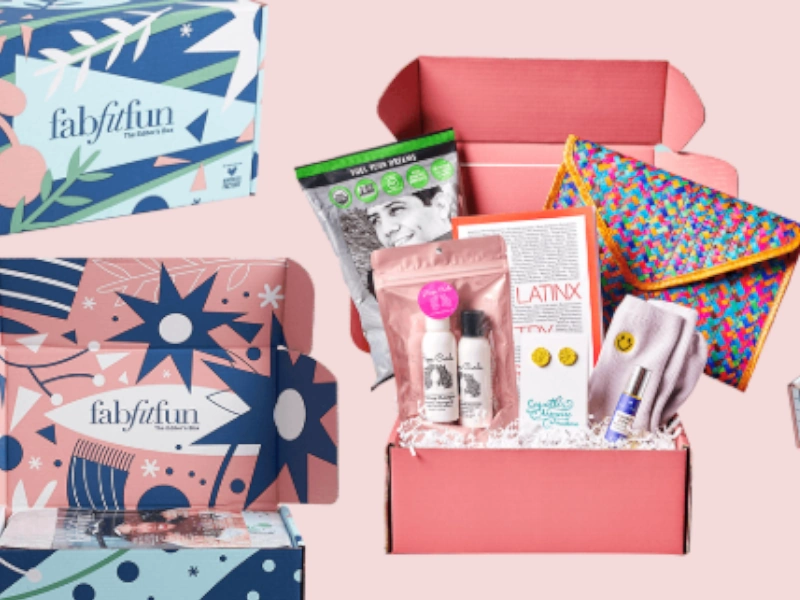
For subscription businesses, it all starts with retention. It comes from keeping them. When it comes to attracting customers, most brands spend a lot of time and money on marketing, advertising and new product development, yet often give little attention to one of the most frequent interactions in the customer’s buying experience: packaging.
When it comes to subscription businesses, particularly those in the DTC space, packaging is not a one-time event. It is repeated every month. This makes packaging a critical factor for customer experience, satisfaction, and loyalty.
When customers perceive the delivery experience as boring, chaotic, or ineffective, this is a beginning of churn. When the packaging process feels organised, deliberate and reliable, it increases customer trust, and loyalty.
This is where subscription box packaging systems come into play. Packaging is often more than just packaging the product. It’s also supporting the subscription.
How and Why DTC Subscription Companies Lose Customers
Subscription brands don’t typically lose customers because they don’t like the product. Instead, they lose customers because their product experience becomes boring, unreliable or predictable.
This is particularly the case for DTC companies, which have no physical outlets, no face-to-face interaction and no retail environment to influence perceptions. The package is the only physical point of contact the customer has with the brand.
As a result, every experience is more important than brands often appreciate. It is no longer just about the product. It’s about the way that it was shipped, the way it was packaged, and even whether or not it was a unique and memorable experience by the second, third, or even sixth delivery.
When the box doesn’t seem big enough, isn’t full, or has changed each month, there is an instant lack of value for the subscription itself.
That may seem small, but it’s important. Churn can start well before a subscription is cancelled. It happens when the product becomes mundane. And packaging is just one of the ways this shift happens.
The Role of Packaging in Customer Retention
There’s more to packaging than protection. In the subscription economy, it sets expectations and enhances value. Packaging in subscription boxes organises the order. It groups items together, controls how they are presented, and instills order rather than chaos. This in turn affects the way the brand is perceived.
Good packaging leads to increased perceived value. Consumers get the sense that the company cares. The experience feels more safe because the packaging feels thought-out and consistent. Ultimately, this helps retention because people recognise the brand as consistent.
It’s the opposite when packaging is done wrong. The goods might be as good as ever, but the company starts to seem sloppy. Within a subscription service, this can lead to a drop in subscriptions, even if the product itself hasn’t changed.
Subscription Packaging Size and Construction Matters
An often overlooked aspect of subscription packaging is size. The length, width and height of the box affect how the products are positioned, how they are unpacked, and how they are shipped. A subscription box that is too big can make the product look smaller. An overly small package can feel chaotic and cramped.
That’s where the box design comes in. An appropriately-sized custom subscription box fits the products. It ensures balance, stability and a better experience for the customer when the box is opened. While customers might not consciously notice the size, they will instinctively appreciate when a box is made to fit the product rather than haphazardly stuffed into a box.
On a large scale, it impacts operations. Appropriate size reduces the need for filler, speeds up the process of filling orders and increases consistency between orders. This improves the user experience as well.
Packaging Impact on Retention
| Packaging Approach | Customer Perception | Retention Impact |
| Oversized subscription boxes | Feels empty and low value | Higher churn risk |
| Tight packaging | Feels messy and inconvenient | Weaker customer satisfaction |
| Optimized custom packaging | Feels curated and premium | Stronger repeat orders |
How Unboxing Influences Repeat Orders
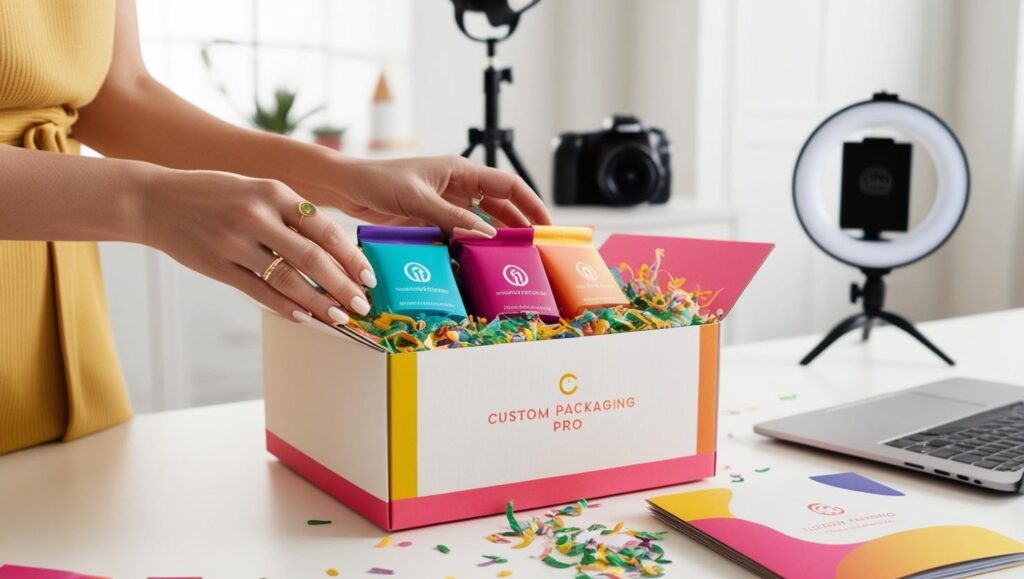
With online subscription brands, the unboxing is not a luxury. It is part of the product. The package needs to be well-organised, satisfying and memorable or shareable. This is particularly relevant in emotional categories like beauty, well-being, food, gifts or lifestyle.
Clean unboxings inspire confidence. It assures the customer that the brand knows packaging, not just shipping. When the items are neatly laid out and presented in a certain order, the subscription feels more like a luxury item without affecting the product. This is important because subscriptions are judged not just by logical but emotional criteria.
When the unboxing experience fails, the brand starts to lose its emotional edge. While customers are receiving the right products, the subscription is now transactional. Over time, that weakens loyalty.
The Importance of Consistency
A common strategy for subscription brands is to vary the product to keep things interesting. This can work, but it doesn’t address the underlying problem if the experience is not consistent. It’s easier for customers to tolerate repetition than deterioration. If the products are different but the box is also less structured every month, the subscription loses its appeal.
Structured packaging eliminates this issue by providing familiarity. Even with different product combinations, the delivery remains consistent. This helps build trust, which is a core retention factor for DTC subscriptions. People want to know we have a plan, not just great products.
Why Standard Boxes Often Fail Subscription Brands
Standard shipping boxes may seem convenient, but they rarely work well for recurring subscription models. They are designed for general transport, not for repeat brand experiences. A generic box may hold the products, but it usually fails to support presentation, efficient layout, and consistent perceived value.
This becomes a bigger issue as the brand grows. Different product combinations start forcing workarounds. Fulfillment teams add filler material, rearrange products manually, or use boxes that are close enough rather than right for the job. The result is inconsistency, and inconsistency is one of the fastest ways to weaken retention.
Custom packaging systems solve this by creating a more deliberate structure. Instead of forcing the subscription into generic packaging, the packaging is built around how the subscription actually works.
Operational Efficiency Also Supports Retention
Retention and efficiency go hand-in-hand. Simpler packaging to pack, repack and standardize means fewer mistakes and higher speed. So fewer broken goods, fewer odd fits and fewer unhappy customers.
For growing DTC brands, this matters because retention is not only a marketing outcome. It is also an operations outcome. If the brand cannot deliver consistently, customers eventually feel it. Better packaging systems improve that consistency by supporting accuracy and reducing friction across the fulfillment process.
This is another reason why custom subscription packaging is often a better long-term investment than generic boxes. It does not just improve appearance. It improves execution.
Why Better Packaging Can Increase Lifetime Value
Brands that thrive in subscription commerce typically understand the value of a customer over time. Packaging is a part of that because it affects the experience of every repeat order. When the delivery feels reliable and premium, customers are more likely to continue. When it feels careless or underwhelming, the relationship weakens.
A strong packaging system helps increase lifetime value by protecting the customer experience across multiple orders. It supports the kind of consistency that keeps customers engaged longer. In subscription businesses, even a small improvement in retention can have a major impact on revenue over time. That makes packaging more than a cost center. It becomes a retention tool.
Final Thoughts
Subscription box packaging can impact churn, retention and lifetime value. It is one of the only things a DTC or e-commerce brand interacts with on a regular basis, which means it has a significant impact on business. Appropriate proportions (length, width and height) create the appearance of organisation, security, and care. This delivers better customer experiences, and better experiences lead to retention.
Companies that consider packaging as part of their customer retention strategy are also often better equipped to grow because they manage consistency. Custom packaging companies like Custom Packaging Pro are helping brands build custom subscription packaging solutions that enable more efficient fulfillment, better presentation and ultimately better retention rates.
FAQs
How does packaging affect subscription churn?
Packaging affects churn by shaping how customers perceive value and consistency. If the experience feels careless or repetitive in a negative way, customers are more likely to cancel.
Why is sizing important in subscription boxes?
Sizing influences product protection, presentation, and perceived value. A properly sized box makes the order feel more intentional and premium.
Can custom subscription packaging improve repeat orders?
Yes, custom packaging improves consistency, presentation, and operational efficiency, all of which support stronger repeat purchase behavior.
Why do DTC brands need better packaging systems?
DTC brands rely heavily on packaging because it is one of the main physical touchpoints customers experience. Better systems support both branding and retention.
Is packaging really part of customer lifetime value?
Yes, because subscription packaging influences how customers feel about every repeat order. Better experiences often lead to longer retention and higher lifetime value.