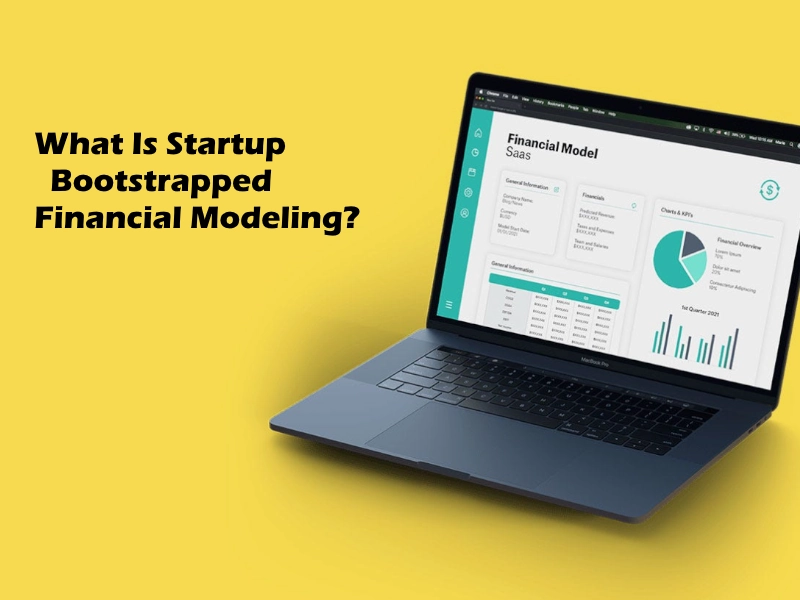
Startup bootstrapped financial modeling means planning your business’s money using your own funds. And it does not depend on outside investors.
- It focuses on earning money early.
- It keeps costs low and avoids waste.
- It helps founders stay in control.
- It supports slow and steady growth.
In simple words, it is a plan to use money wisely and grow the business step by step.
Core Financial Statements for a Bootstrapped Startup
A bootstrapped startup needs three main reports.
Profit and Loss Statement
It shows income, costs, and profit.
Cash Flow Statement
It tracks money coming in and going out.
It lets you keep enough cash for daily needs.
Balance Sheet
It shows what you own and what you owe.
It gives a quick view of your business health.
Key Metrics Dashboard
It tracks important numbers like sales and growth.
It helps you make better decisions.
Main Parts of Financial Planning
Revenue Streams
Money from subscriptions, services, or one-time sales.
Cost Structure
Fixed costs like rent and salaries.
Variable costs like marketing and fees.
Operational Expenses
Daily costs like staff, ads, and software.
Capital Expenses
Big one-time costs like product setup or tools.
Assumptions
Expected changes in prices, growth, and customer behavior.
Startup Booted Fundraising Strategy
Step 1: Define Revenue Model
List all ways your business makes money.
Example: subscriptions or extra add-ons.
Step 2: Map Cost Structure
Split costs into fixed and variable.
Focus on important expenses first.
Step 3: Build Cash Flow Plan
Estimate the money coming in and going out each month.
Plan for the next 12–24 months.
Step 4: Find Break-Even Point
See when income covers all costs.
This shows when your business becomes stable.
Step 5: Track Key Metrics
Monitor important numbers like sales and growth.
These show how your business is doing.
Step 6: Reinvest and Improve
Use profit to grow your business.
Keep updating your plan based on real results.
Stage-Based Financial Modeling for Bootstrapped Startups
Pre Revenue Stage
Focus on product setup cost.
Spend on basic marketing and a small team.
Revenue Validation Stage
Track cost per customer and profit per sale.
Watch the customer drop rate.
Growth Stage
Increase marketing slowly.
Hire only when needed.
Reinvest your profit.
Scaling Stage
Plan to expand your business.
Keep enough cash in hand.
Add new ways to earn money.
How to Build Your Financial Model
- Use tools like Google Sheets or Excel.
- Start with simple sales estimates.
- Plan monthly expenses carefully.
- Track key numbers like sales and growth.
- Check if your plan matches real results.
- Update it every month as things change.
Tools for Startup Bootstrapped Financial Modeling
Spreadsheets
Use Google Sheets or Excel to plan your numbers.
Financial Tools
Tools like QuickBooks or LivePlan track money.
SaaS Metrics Tools
Use tools to track sales and growth data.
Planning Tools
Notion or Airtable can organize your plans.
Common Mistakes to Avoid
- Do not overestimate your income.
- Do not ignore your expenses.
- Always track your cash carefully.
- Avoid using random guesses.
- Keep your model simple and clear.
- Update your data every month.
Risk Management Through Financial Modeling
- Test different prices and customer loss rates.
- See how sudden costs can affect your business.
- Plan backup options if things change.
- Always keep some extra cash for safety.