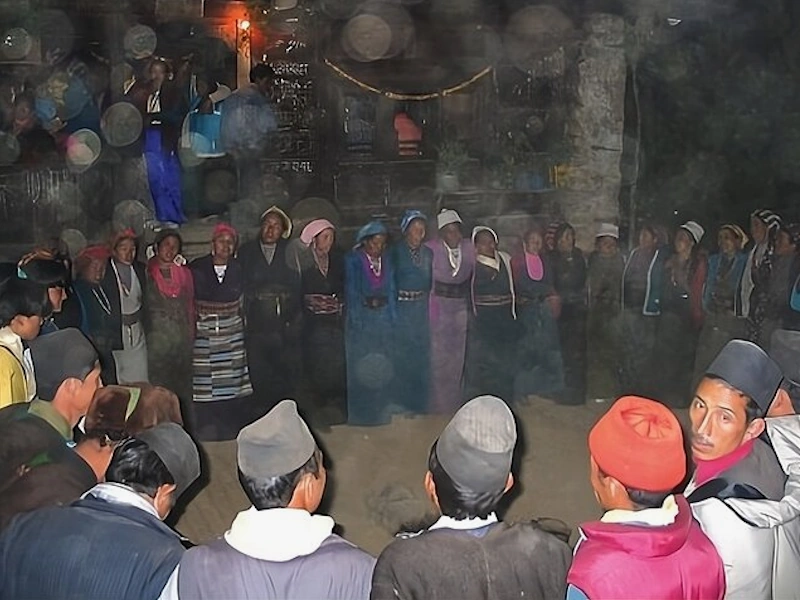
Çbiri connects the past with the present. It reflects traditions, customs, and ways of life that have shaped communities over time. Each part of Çbiri shows a piece of history and cultural identity.
When we explore its roots, we find stories passed from one generation to another. As these stories show the values and beliefs of the people who follow Çbiri. And it is not just a tradition but a living part of culture.
Also, Çbiri has meaning in modern life. Some practices may change, but the core idea remains strong. And people can still connect with their roots and build stronger community bonds through it.
Also, it is more than just history. As Çbiri brings people together and creates a sense of belonging. Moreover, it helps individuals understand themselves and their culture better.
Overall, Çbiri is both meaningful and evolving. And it allows people to honor the past. while adapting it for the future.
Unveiling Çbiri: History, Origins and Significance
Çbiri is a part of culture with deep history and meaning. Its roots go back many years and reflect the lives of people who followed it.
In the past, Çbiri was linked with traditions and social practices. And it helped people express their identity, beliefs, and way of life. Also, it brought communities closer together.
And over time, Çbiri has changed, but its core meaning is still strong. It shows how cultures adapt and also keep their original values alive.
Today Çbiri can be seen in different forms like art, lifestyle, and daily habits. Also, it continues to inspire people and connect them with their heritage.
By understanding Çbiri, we can learn about the past and also see how it shapes the present and future.
Understanding the Cultural Significance and Modern Relevance
Çbiri holds deep meaning for many communities. It connects people through shared traditions, values, and memories. It is not just a concept but a reflection of identity.
And in today’s world, Çbiri is still important. As life becomes fast and global, people look for something real and meaningful. Çbiri reminds them of their roots and culture.
Also, it helps connect the past with the present. In modern cities where many cultures mix, Çbiri brings people together and encourages respect for different backgrounds.
Also, it supports well-being. And engaging with Çbiri helps people feel calm and more connected to themselves. And it allows them to reflect on their life and experiences.
Moreover, in a busy world, Çbiri offers a sense of peace. It encourages people to slow down and build stronger connections with others.
Meaning, Identity, and Wellness Impact of Çbiri
Çbiri is a strong symbol of identity. It represents culture, history, and personal meaning for each individual.
For many, it is a link to their ancestors. It helps them feel proud of their background and creates a sense of belonging.
Also, it supports mental and emotional health. And taking part in traditions related to Çbiri can bring comfort and reduce stress.
Moreover, Çbiri also encourages mindfulness. Through stories, art, or daily practices, people become more aware of their thoughts and surroundings.
So exploring Çbiri can help people discover more about themselves. It strengthens personal identity and community bonds.
Incorporating Çbiri into Daily Life and Beyond
Bringing Çbiri into daily life can be a meaningful experience. It is not just part of history but a living tradition that can improve modern life.
You can start with small steps. Try simple rituals or traditions linked to Çbiri. These activities help build a sense of connection and belonging.
Also, food is an important part. You can try dishes inspired by Çbiri traditions. And sharing these meals with others creates stronger bonds and meaningful conversations.
Çbiri can also support mindfulness. Activities like quiet reflection or nature walks can help you feel calm and focused.
Art is another way to connect. Music, dance, or visual art linked to Çbiri can help you understand its deeper meaning.
By adding Çbiri to your daily routine, you keep its tradition alive and also improve your own sense of well-being and connection.