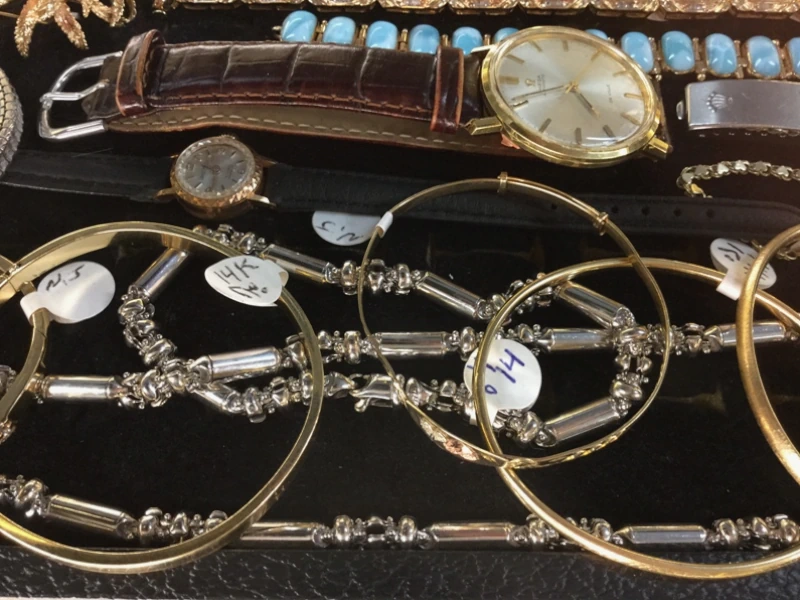
On the surface, it may seem that rare coins, gold, and luxury watches have nothing in common and exist in separate worlds. One is collected in coin collections; another is stored in vaults or jewelry boxes; and another is worn on the wrist of an enthusiast. However, once you examine these sectors more closely and understand how they work, you notice an unexpected tendency for them to connect. Not only do luxury watch buyers observe trends in the markets for rare coins and gold, but investors do as well, because the prices of watches are sometimes influenced by these markets without being quite obvious at first.
Over the last decade, especially, people have started viewing tangible assets differently. Instead of relying only on stocks or real estate, many investors now spread their money across collectibles and physical assets that feel more stable during uncertain times. That’s one reason luxury watches, rare coins, and gold have become so connected.
All three markets revolve around rarity, long-term value, and buyer confidence. Whether it’s a vintage Rolex, a historic gold coin, or a rare bullion release, collectors are usually chasing the same thing: something limited, meaningful, and likely to hold value over time. Once you understand how these markets overlap, you start seeing patterns that can help buyers make smarter decisions and avoid costly mistakes.
How Economic Uncertainty Influences All Three Markets
One of the biggest things linking rare coins, gold, and luxury watches is economic uncertainty. Whenever inflation rises, the stock market gets shaky, or people lose confidence in traditional investments, there’s usually a noticeable shift toward physical assets.
Gold is always used as an ideal example for this case. Gold is sought after by many people whenever there are problems in the economy, since people tend to believe that gold is a more secure place to store their money. With rising levels of inflation and even devaluation of currencies, it is no wonder that gold prices tend to spike.
In addition, the demand is not just for the gold itself or its ornaments. It extends to gold collectibles and even watches made out of gold. If gold prices are high, then it follows that the intrinsic value of the material in gold watches will increase, thereby giving more room for price hikes.
Rare coin markets react in similar ways. During uncertain financial periods, collectors often start focusing more on historically important coins because they combine rarity with tangible value. A rare coin isn’t just metal; it’s history you can hold in your hand.
Luxury watches tend to follow the same pattern. Certain models become especially desirable because buyers view them as stable, collectible assets rather than simple accessories. Limited-production watches, iconic sports models, and historically important references often continue to see strong demand even when wider markets slow down.
You could compare it to classic cars in a way. People aren’t only buying them to drive around town. They’re buying something rare that has long-term appeal and emotional value. Another interesting part of this connection is how wealthy collectors behave. Someone deeply involved in rare coins may eventually move into luxury watches or precious metals as part of a broader collection strategy. These hobbies often overlap because their mindsets are similar.
When major economic events happen, such as rising inflation, banking concerns, and geopolitical tension, all three markets tend to react together. Prices may not move identically, but confidence and demand often shift in the same direction. That’s why experienced collectors don’t just watch one market. They pay attention to broader economic trends because those signals often explain why values are changing across multiple collectible industries at once.
The Role of Scarcity, Condition, and Collector Psychology
The aspect of scarcity plays an important role in all collectibles. However, rarity is not sufficient for something to be valuable. A valuable collectible should be rare, authentic, and in good condition. The commonalities shared by rare coins and watches can be explained on this basis.
As for the coins, minor distinctions that only specialists notice can significantly affect their prices. For instance, two coins struck in the same year will have entirely different prices due to varying levels of preservation or rarity.
Luxury watches work the same way. A limited-edition watch with original papers, factory parts, and minimal wear usually commands much higher prices than the same watch with replacement components or heavy polishing. Collectors care deeply about originality because it preserves the story behind the piece.
And collectors notice everything. A replaced dial, a missing warranty card, or an aftermarket bracelet may seem minor to the average person, but experienced buyers immediately factor those things into value. It’s similar to buying vintage sneakers or trading cards; condition and authenticity can completely change the price.
That’s also why professional authentication has become so important. Buyers want reassurance that what they’re purchasing is genuine, properly preserved, and accurately represented. Gold markets have their own version of this, too. While standard bullion closely tracks spot gold prices, collectible gold items often include additional premiums driven by rarity and demand. Some gold coins are worth far more than their metal content because of historical importance or limited mint production.
Collector psychology plays a huge role here as well. In the last few years, social media and celebrities have had a huge impact on the demand for luxury watches. A watch model can quickly gain attention once a celebrity is seen wearing it. Rare coins have been known to achieve the same levels of success through high-profile auctions and significant historic finds.
The problem is that such popularity might drive the prices up very quickly. Wanting to be a part of the excitement, many consumers are impulsive about their choices and do not take into account the trend of the value of the item. Eventually, the market stabilizes, and the prices become reasonable again. Experienced collectors are immune to the hype.
Instead, they focus on long-term fundamentals like:
- Historical value trends
- Authenticity
- Rarity
- Brand or mint reputation
- Overall condition
- Collector demand
- Market liquidity
This is likely much more important than short-term bursts in popularity. Another major difference concerns the investment aspect of collectibles. Today, it’s not only fun to have certain items but also to make a profit. This is why many luxury watch buyers nowadays carefully analyze auction prices and market charts just like an investor would do while studying company stocks.
Why Precious Metal Trends Affect Luxury Watch and Coin Values
Gold prices influence far more than most people realize. They don’t just affect bullion investors; they also impact manufacturing costs, resale demand, and collector behavior throughout the watch and coin industries. When gold prices rise sharply, luxury brands usually raise retail prices on gold watches too. After all, the raw materials become more expensive, and manufacturers need to adjust pricing accordingly.
Over time, those increases can help strengthen resale values for older models. If a new gold watch suddenly costs much more at retail, pre-owned versions often become more attractive to buyers. This is especially noticeable with vintage gold watches. Many collectors begin viewing them as both wearable collectibles and precious metal assets at the same time.
At the same time, rising gold prices often create increased activity from gold buyers and gold coin buyers looking to take advantage of strong market conditions. That can tighten supply in secondary markets, especially when people choose to hold onto collectible gold pieces rather than sell them immediately.
Coin markets respond similarly because the precious metal content creates a built-in layer of value. Even if collector demand fluctuates, the underlying gold still carries worth. What makes rare coins especially interesting is that they often combine two separate value drivers:
- Precious metal content
- Collector rarity
That combination can create stronger long-term pricing support than standard bullion alone. Luxury watches share a similar dual appeal. Some buyers focus on craftsmanship and design, while others view watches as portable stores of value tied to limited production and precious metals.
Another overlooked element is the issue of the global supply chain. Commodity price hikes impact all aspects, including production, logistics, and insurance. All these cost hikes will ultimately impact consumer prices and resale prices as well.
There’s also a generational shift happening right now. Younger collectors are entering these markets with fresh interest in alternative assets. Many appreciate the history and storytelling behind luxury watches and rare coins just as much as the financial side. For example, someone interested in a vintage gold Rolex might also become fascinated by historic American gold coins or limited-edition bullion releases. The appeal comes from a shared appreciation for rarity, craftsmanship, and long-term value.
That overlap explains why many high-end auctions now feature watches, coins, jewelry, and precious metals within the same sales events. The audiences buying these items are often very similar. For collectors and investors, understanding these relationships can provide a real advantage. Watching trends in gold demand and rare coin activity sometimes offers early clues about where luxury watch prices may head next.
Conclusion
It may appear that rare coins, gold, and luxury watches have nothing in common, but in reality, these areas share many similarities that people do not realize. Many of the factors that drive demand in one industry also influence demand in others. Economic uncertainty, collecting, scarcity, and confidence can greatly determine whether the value of such assets increases or decreases.
When the economy feels unpredictable, many people start looking for tangible assets they can physically own. That’s why interest in collectible coins, gold, and high-end watches often rises during periods of inflation or market instability. Buyers tend to feel more comfortable investing in items that have a history of holding value and strong long-term demand.
These markets also share another important trait: authenticity matters a lot. Whether it’s a rare coin, a gold bar, or a vintage luxury watch, buyers pay close attention to condition, originality, rarity, and documented history. A small detail like missing paperwork or replaced parts can make a major difference in resale value.
Gold prices add another interesting layer to the connection. When gold becomes more expensive, it can affect everything from watch manufacturing costs to collector demand for gold coins and precious metal watches. Those changes don’t stay isolated in one market. They often influence pricing trends across multiple collectible industries simultaneously.
For collectors and investors, understanding how these markets overlap can lead to smarter decisions. Watching economic trends, learning how rarity affects pricing, and focusing on authenticity can help buyers avoid costly mistakes and recognize opportunities earlier. As more people turn to alternative assets, the relationship among rare coins, gold, and luxury watches will likely continue to grow stronger. Collectors who understand these patterns are usually in a much better position to spot value, protect investments, and make confident long-term choices.